
Review · TOKYO
Tokyo Japanese Dance Cabaret Theater Asakusa-Kaguwa
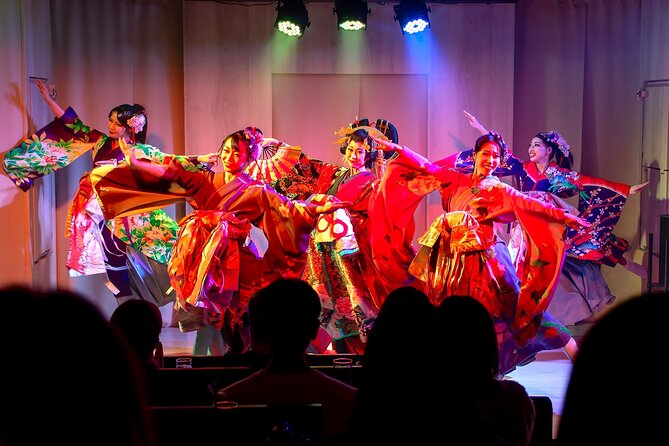
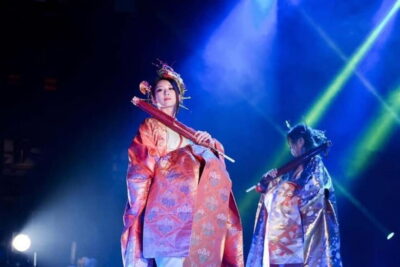
Expect color, costumes, and plenty of energy. Asakusa-Kaguwa offers a compact evening show that mixes traditional Japanese dance with modern music, laser effects, storytelling, a lion dance, and a samurai sword fight. I especially like the close-up theater setting and the chance to meet performers before and after the show. The included drink also helps make the $50.87 price feel reasonable.
I like that you can choose between two evening performances, which makes this easy to fit around a day in Asakusa. The staff may dress you in a kimono for photos, and performers such as Sakura and other cast members spend time with the audience before the curtain rises. The main caution is that this is not formal Kabuki. Some acts are traditional, while others are campy, theatrical, or modern, and the small venue feels more like lively dinner theater than a grand stage production.
Key points to know before booking
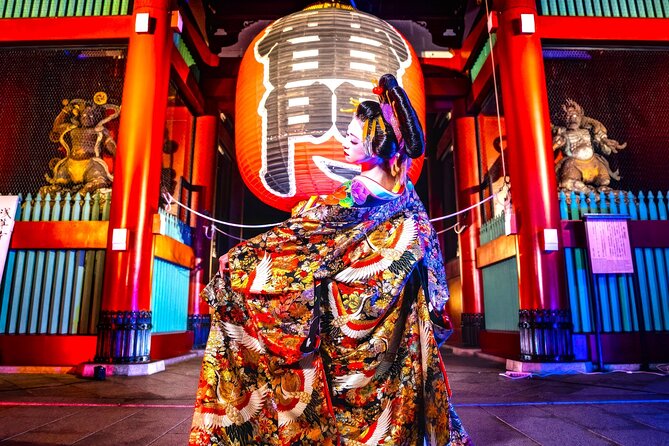
- A one-hour show with many styles: Expect traditional dance, a lion dance, swordplay, contemporary music, acting, and light effects in one fast-moving performance.
- Two useful evening times: Doors open at 4 p.m. for the 5 p.m. show, or at 7 p.m. for the 8 p.m. show.
- A friendly pre-show experience: Performers mingle with the audience, pose for photos, and may help you dress in traditional clothing.
- One drink is included: Alcohol is available only to people over 20, with soft drinks also offered.
- A small theater with assigned seating: Seats are assigned by reservation order, so arriving early still matters for check-in and photos.
- A practical Asakusa night out: The theater sits on a covered shopping street near restaurants, shops, and public transportation.
What Asakusa-Kaguwa Actually Offers
Asakusa-Kaguwa is best understood as a Japanese cultural stage show with cabaret energy. It is not a museum demonstration, a quiet classical recital, or a full Kabuki performance. The production gathers several familiar Japanese images and performance styles, then presents them with contemporary music, colorful lighting, theatrical movement, and a playful connection with the audience.
That mix is the reason the show appeals to so many first-time visitors. In a single hour, you may see a lion dance, samurai sword action, traditional-inspired choreography, modern dance, dramatic storytelling, and laser effects. The pieces do not all follow one long, tightly explained plot. Instead, the show moves through separate acts with different moods.
I like this format for a first evening of Japanese entertainment because you do not need to commit to one highly specialized art form. You get a sample of several styles, presented in a setting that feels social and easygoing.
The tradeoff is clear. If you arrive expecting precise Kabuki conventions, formal stage design, or a serious historical explanation of every act, you may find the show too loose. One act may feel cultural, another theatrical, and another deliberately flashy. That variety is part of the fun, but it is also the main reason some people rate the production as enjoyable rather than polished at a major-theater level.
More Cabaret Shows around the world:
- Paris: Moulin Rouge Cabaret Show Ticket with Champagne
★ 4.7 · 16,088 reviews - Paris: Dinner Show at the Moulin Rouge
★ 4.8 · 3,333 reviews - Paris: Crazy Horse Cabaret Show
★ 4.7 · 2,726 reviews
Arriving in Asakusa Before the Show
The theater is at 1-chōme-12-10 Asakusa, in one of Tokyo’s best-known sightseeing districts. This is a useful location for an evening plan because you can spend the afternoon around Asakusa’s temples, shopping streets, and food stops, then walk to the performance.
The venue is on a covered street, which is helpful in rainy weather. Nearby shops and restaurants give you options before or after the show, although the theater also sells simple food such as pasta, pizza, fried chicken, and snacks. These dishes are practical rather than part of a carefully designed Japanese meal, so I would plan on eating elsewhere if food is a major part of your evening.
Give yourself extra time to find the entrance and check in. The doors open one hour before the performance, but you do not need to arrive at opening time unless you want the longest pre-show experience. You should arrive at least 30 minutes before the scheduled start so you can settle in without rushing.
The theater is reached by steep stairs, and there is no elevator. Staff can assist people who need help, but this venue may not work well for anyone who has serious trouble with stairs. That is one of the few practical drawbacks you should consider before paying.
The Pre-Show: Drinks, Photos, and Kimonos
Your ticket includes one alcoholic or nonalcoholic drink. Alcohol is served only to people over 20. The drink gives the evening a cabaret feel, though some people find the mixed drinks light and prefer beer or a soft drink instead.
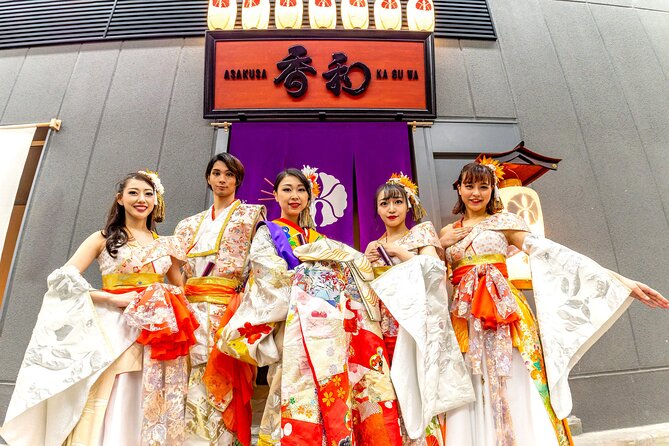
The hour before the show is not simply dead time. Performers may come out, speak with the audience, and pose for photos. The theater can also dress you in a kimono for a picture, creating a more personal souvenir than a standard stage photograph. This is especially appealing for families and first-time visitors who want something playful rather than formal.
Names that have received warm praise include Sakura, Nana, Asuka, Tenkumo Yuki, Yusuke, Chiaki, Coco, and Rika. Cast members are described as welcoming and involved before the show, and staff members such as Amelia have been singled out for patient, friendly service.
The photos are a real part of the experience, not just an afterthought. If you want a picture with the cast or in traditional clothing, arrive early enough to take advantage of it. The seats are assigned in reservation order, so an early arrival may also help the general flow of your evening, though it does not guarantee a specific seat.
Inside the Small Red Theater
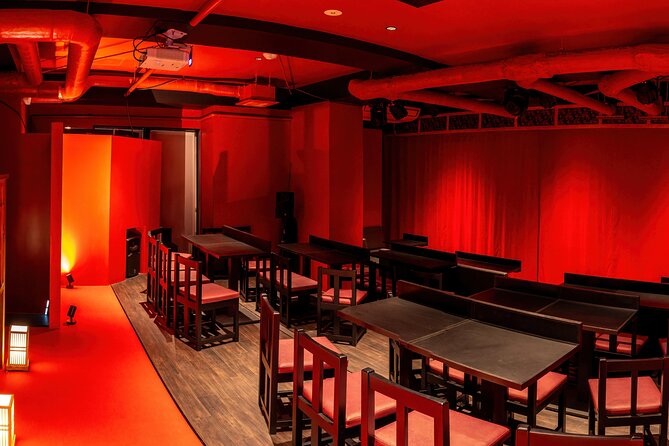
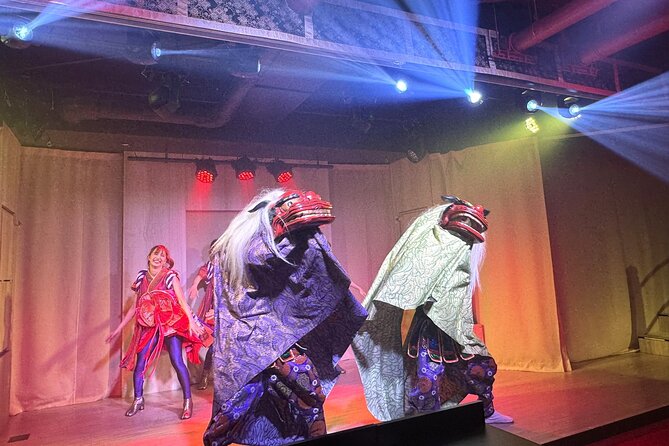
Inside, expect a Japanese-style interior with a strong red color scheme. The intimate room keeps you close to the action. You can see and hear the performance well, and the small stage places more attention on the dancers’ movement, costumes, and expressions.
This setting works particularly well during the energetic acts. Swordplay, quick choreography, acrobatics, and lighting effects feel immediate when the performers are working in a compact space. A large theater might offer more impressive scenery, but this room gives you a direct view of the cast.
The small stage also creates limits. There is less room for large-scale scenery or complex stage machinery, so the show depends on choreography, costumes, lighting, and the performers’ energy. At times, it may feel closer to community theater or a polished local cabaret than a major professional production.
I would not treat that as a fatal flaw. The ticket is priced for a one-hour cultural performance with a drink, not for a premium theater production with an orchestra and elaborate scenery. The value comes from the variety, the access to the performers, and the fun of seeing several Japanese performance ideas in one sitting.
Same night out, a different stage:
- Seine Dinner Cruise, Eiffel Tower Access and Moulin Rouge Show
★ 4.0 · 2,310 reviews - Tokyo: Japanese Dance Cabaret Theater Asakusa-Kaguwa Ticket
★ 4.8 · 2,270 reviews - Paris: Paradis Latin Cabaret Show with Optional Champagne
★ 4.6 · 2,231 reviews - Paris Moulin Rouge Cabaret Show and Dinner
★ 4.5 · 1,772 reviews
The Main Performance: Traditional Acts With Modern Force
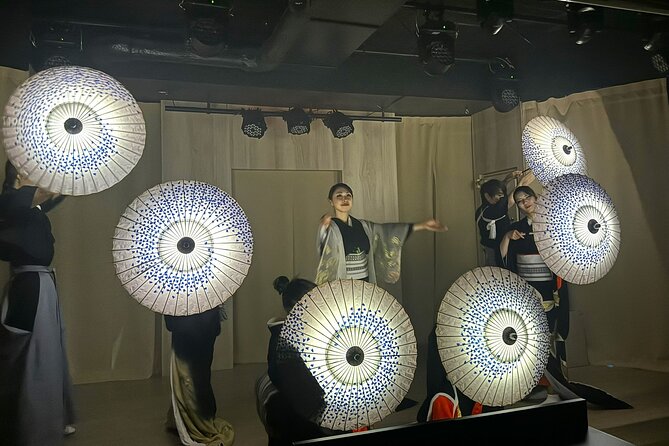
The show begins at the time printed for your booking and runs for about 60 minutes. Music builds the mood, then the cast moves through a sequence of acts that combine Japanese themes with contemporary presentation.
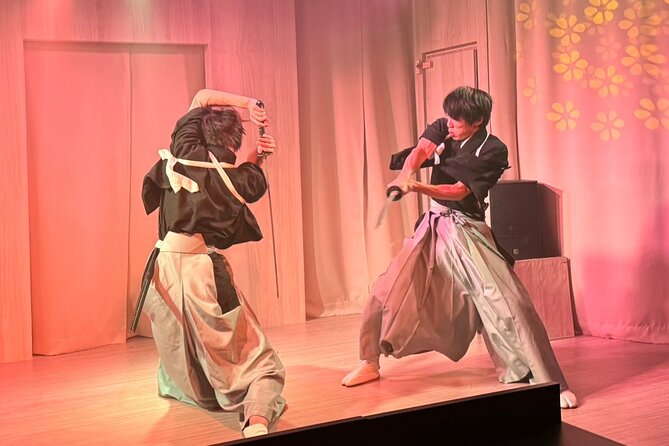
A lion dance is one of the more recognizable traditional elements. This kind of performance is often connected with festivals, so seeing it in a short theatrical program gives you access to something many visitors might otherwise miss. The samurai sword fight adds a more action-focused moment and gives the program a clear visual punch.
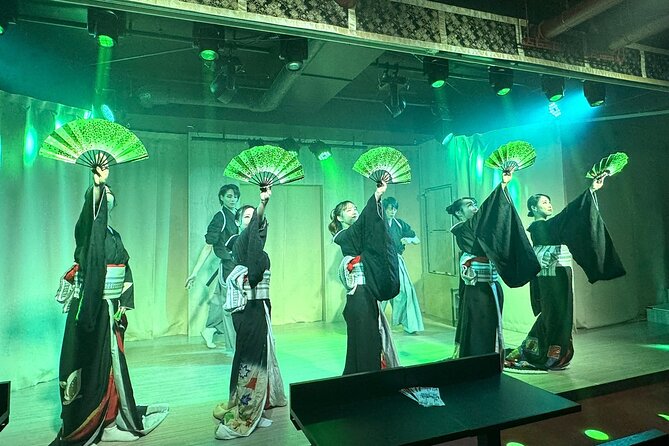
The dance pieces are the heart of the show. The cast combines formal gestures and traditional-inspired movement with modern choreography. Costumes are a major attraction, with changes in color and style helping define each act. The performers also act, so the program is not just a string of dance numbers.
Several people have found the stories moving, while others have found the plot hard to follow. That difference matters. The show may communicate emotion through music, movement, facial expression, and costume more clearly than through spoken explanation. If you want every symbolic detail explained, you may wish the theater provided a short program describing the acts and their cultural background.
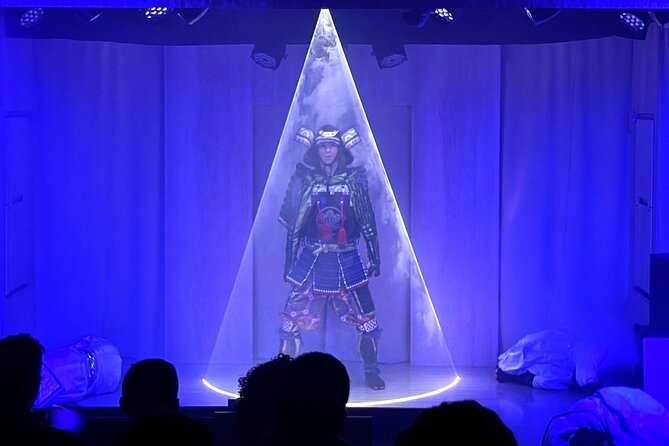
The most modern moments use strong lighting and laser effects. These sections can surprise you if you expect a subdued traditional presentation. The production aims for spectacle, and the light show is one of its most praised features.
The cast’s energy is another strength. The performers are repeatedly described as precise, lively, and enthusiastic. A small number of performers carry the program, so the show depends heavily on their ability to shift from elegant dancing to comic timing, action, and direct audience interaction.
How Traditional Is the Show?
This question is worth answering plainly. Asakusa-Kaguwa presents Japanese culture through entertainment, not through a strict historical reconstruction.
Some parts draw on traditional dance, festival performance, samurai imagery, and Japanese clothing. Other parts use contemporary music, laser lighting, theatrical acting, and cabaret-style presentation. The result is accessible and lively, but it is not the same as seeing Kabuki, Noh, or a formal classical dance performance.
I see that as a good fit for families, teenagers, couples, and anyone who wants an introduction without spending several hours in a specialized theater. You can enjoy the colors and movement even if you know little about Japanese performance traditions.
If your main goal is to study one art form in depth, this is probably not the right choice. The acts move quickly, and the cultural context is limited. But if you want an entertaining sampler with a strong Japanese identity, the format works well.
A Family-Friendly Evening in Asakusa
Children can attend, and the show is suitable for families. The lively music, costumes, sword action, and light effects give younger viewers plenty to watch. The chance to take photos in a kimono can also make the outing feel personal for children who might not sit happily through a slow historical performance.
The one-hour stage program is another advantage. It is long enough to feel like a proper night out but short enough for families with tired children. The two show times also help you choose between an earlier dinner schedule and a later evening.
The room’s steep stairs are the main family consideration. If you have a stroller, limited mobility, or anyone who needs an elevator, contact the venue before committing, since there is no elevator. Staff are happy to assist where possible, but the access route remains stair-based.
Is $50.87 a Fair Price?
At $50.87 per person, this is not the cheapest entertainment in Tokyo. The ticket includes the 60-minute show and one drink, while food and extra drinks cost more. Still, the price compares fairly with other ticketed evening performances when you count the pre-show interaction, cast photos, costumes, and the convenience of seeing many styles in one program.
The value is strongest if you enjoy live theater. You are paying for an experience rather than a standard sightseeing stop. The show gives you a planned two-hour window, a drink, a seat, and an unusual evening activity in Asakusa.
The value is weaker if you want a formal, high-budget production. Some people have found the performance less polished than expected, and the plot may feel random if you want a single clear story. I would book it for energy and variety, not for strict authenticity or grand production scale.
Tipping may be encouraged at the venue, so carrying ¥1,000 notes is useful if you want to thank a favorite dancer. This is not listed as part of the ticket price, so consider it optional and bring cash only if you plan to participate.
Timing, Seats, and Practical Details
You have two choices:
- First show: doors at 4 p.m., performance from 5 p.m. to 6 p.m.
- Second show: doors at 7 p.m., performance from 8 p.m. to 9 p.m.
The venue assigns seats in reservation order. A mobile ticket is accepted, and confirmation arrives when you book. The activity begins and ends at Asakusa-Kaguwa, with no private transportation included.
The theater is near public transportation, but the entrance can be easy to miss if you arrive at the last minute. I would save the address on your phone, allow time for the stairs, and arrive at least half an hour before the show. That gives you time to check in, order your drink, and enjoy the photo opportunity without turning the start of the evening into a scramble.
Free cancellation is available if you cancel at least 24 hours before the local start time. Inside that window, the ticket is nonrefundable and changes are not accepted.
Who Should Book Asakusa-Kaguwa?
I would choose this show if you want:
- A lively introduction to several Japanese performance styles
- A family-friendly evening in Asakusa
- A small theater where you can see the performers clearly
- Costumes, dance, sword action, and light effects in one program
- A chance to meet performers and take kimono photos
- An activity that fits a busy Tokyo schedule
I would hesitate if you want formal Kabuki, a long historical explanation, a large-scale stage, or a carefully developed single plot. The program is intentionally mixed, and its charm comes from that mixture.
Should You Book This Tokyo Dance Show?
Book Asakusa-Kaguwa if you value personal interaction, lively performance, and variety more than strict tradition. The included drink, one-hour running time, two show options, and central Asakusa location make it easy to add to a Tokyo itinerary.
I would arrive early for photos, choose beer or a soft drink if you prefer a stronger or simpler drink, and keep your expectations aimed at colorful cabaret theater rather than Kabuki. For families and first-time visitors, it is a memorable way to see Japanese dance and theatrical customs in one evening. For serious theater fans, it is best viewed as an energetic sampler, not a definitive cultural performance.
FAQ
How long is the Asakusa-Kaguwa experience?
The full visit takes approximately two hours, including the time before the performance. The actual traditional Japanese cultural dance show lasts 60 minutes.
What time do the performances begin?
The first performance runs from 5 p.m. to 6 p.m., with doors opening at 4 p.m. The second runs from 8 p.m. to 9 p.m., with doors opening at 7 p.m.
Is a drink included with the ticket?
Yes. One alcoholic or soft drink is included. Alcohol is served only to people over 20.
Can children attend the show?
Yes. The performance is suitable for families and children.
Is food included?
No. Simple food such as pasta, pizza, fried chicken, and snacks is available separately at the venue.
Are seats assigned?
Yes. The theater assigns seats according to the order of reservation.
Is the theater accessible by elevator?
No. The stairs to the venue are steep, and there is no elevator. Staff can assist people who need help.
Can I cancel for a refund?
Yes, if you cancel at least 24 hours before the local start time. Cancellations or changes made within 24 hours are not refunded or accepted.
Just added around the world
- Yokohama: MARIN ROCKET Dance Cabaret Show with Drinks★ 4.5 · 11 reviews
- Cabaret Show and Mixology Cocktails in a Mexican Cantina★ 4.0 · 11 reviews
- 2 Hour Sunset Cabaret Tour in Sarasota★ 4.0 · 6 reviews
- Seoul: LGBTQ+ Pub Crawl and Drag Show with Local Drag Queen★ 5.0 · 6 reviews
- Czech Cabaret Show★ 5.0 · 5 reviews
- Simon Cabaret Show Phuket – Entry Ticket with Hotel Transfers★ 4.0 · 4 reviews
- Dazzling Simon Cabaret Experience in Phuket with Hotel Pickup★ 5.0 · 7 reviews
- Dazzling Simon Cabaret Show in Phuket with Comfortable Transfers★ 4.5 · 4 reviews
Tokyo Cabaret Shows, compared.
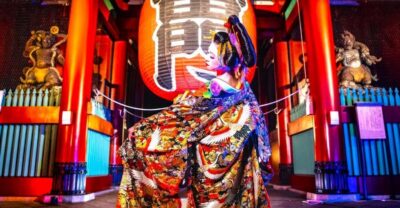
Japanese Dance Cabaret Theater Asakusa-Kaguwa Ticket
Read our review →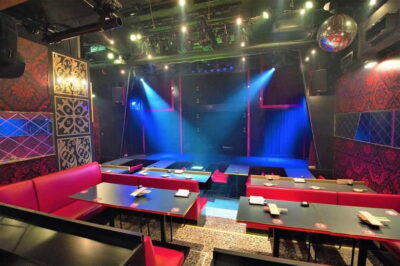
Tokyo GINZA: KONPARU Japanese Cabaret Show with Drink
Read our review →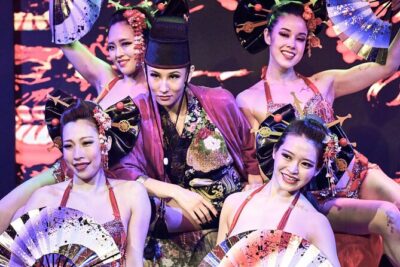
Japanese Style Variety Show with Dance,Magic & Dinner
Read our review →Browse the lists this show appears in